
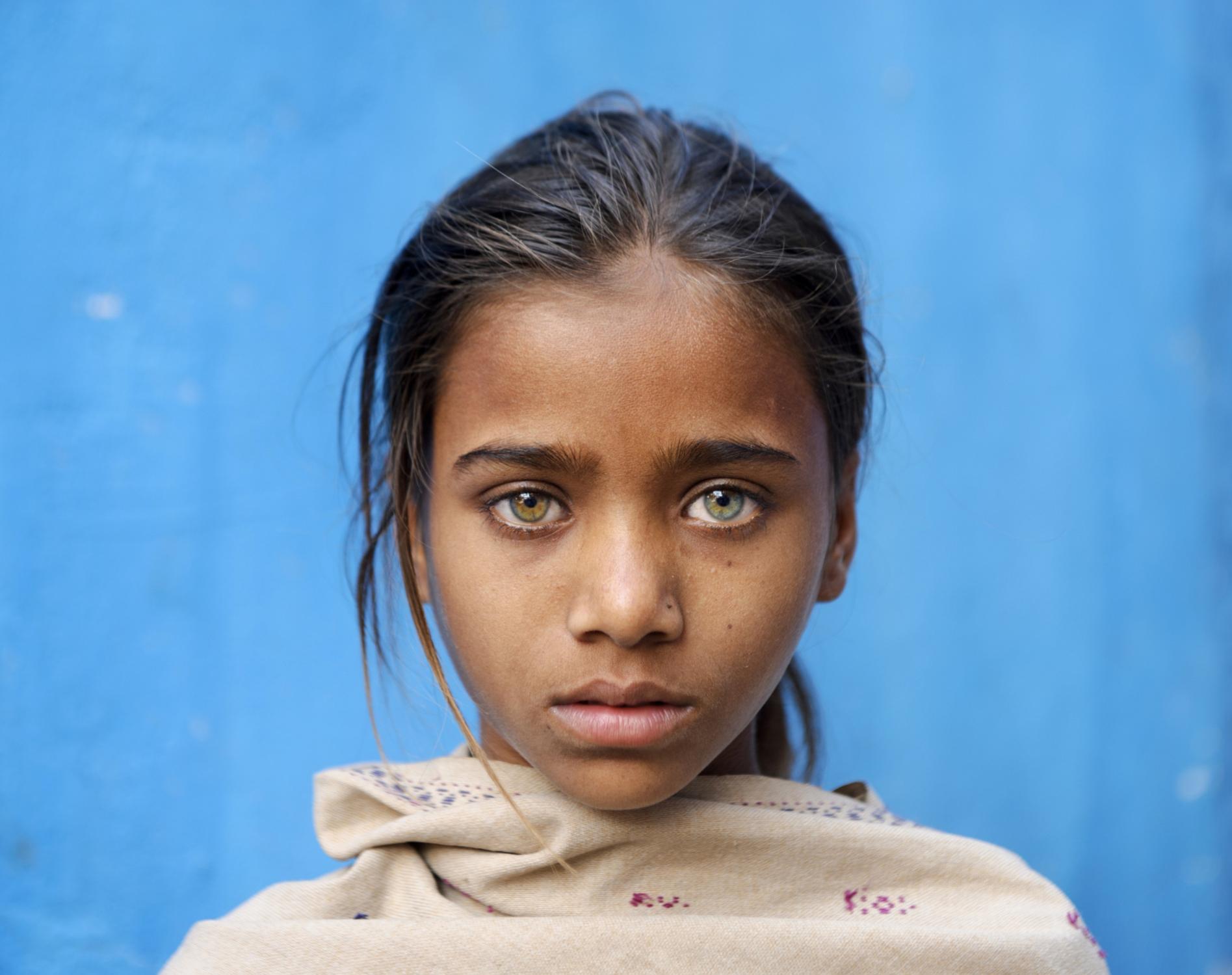
A new UNICEF report reveals the unprecedented scale of climate risks for children: virtually every child on the planet is already exposed to at least one extreme climate event.
The new report from UNICEF, the Children’s Climate Risk Report 2026, reveals that the climate crisis has already become one of the greatest global threats to children’s rights, health and future.
The study presents the most comprehensive analysis ever conducted of children’s exposure to extreme climate events and shows that virtually every child on the planet is already exposed to at least one significant climate risk.
More than 1 billion children face multiple climate risks
The data show that around 1.1 billion children are simultaneously exposed to at least three overlapping climate hazards, while approximately 2 billion live with at least two different risks. Virtually every child in the world is exposed to at least one extreme climate event.
The main risks assessed include:
- Droughts: 1.8 billion children exposed;
- Heatwaves: 1.5 billion;
- Extreme heat: 1.2 billion;
- Tropical storms: 662 million;
- River floods: 337 million;
- Wildfires: 206 million;
- Sand and dust storms: 123 million;
- Coastal floods: 33 million.
In addition, the report highlights that 2.3 billion children live in areas with detectable air pollution and around 1 billion are exposed to malaria, a disease whose distribution is strongly influenced by climate change.
Far beyond environmental impacts
UNICEF stresses that the effects of the climate crisis on children go far beyond environmental damage. Extreme events directly affect physical health, mental health, nutrition, education and social protection.
Children are particularly vulnerable because their bodies are still developing, making them more susceptible to dehydration, infectious diseases, malnutrition and the psychological impacts of disasters and forced displacement.
The report also highlights that:
- 20 million children missed essential vaccines in 2024;
- 634 million lacked access to safely managed drinking water;
- 1 billion lacked adequate access to sanitation;
- 242 million students had their education disrupted by extreme climate events in 2024 alone;
- between 2016 and 2023 there were 62.1 million internal displacements of children related to climate disasters.
The climate crisis is also a child rights crisis
The document emphasizes that climate change must be understood as a human rights crisis and, specifically, a child rights crisis. Growing exposure to climate risks threatens fundamental rights related to life, development, education, health and access to a clean and healthy environment.
According to UNICEF, children’s vulnerability depends not only on exposure to extreme events, but also on the capacity of social systems to respond to them. For this reason, strengthening health, education, sanitation, nutrition, social protection and child protection services is identified as a central element of climate adaptation strategies.

Published by Lanakaná in partnership with Instituto Bioatrium, a Lanakaná spin-off dedicated to health production, care and social innovation.